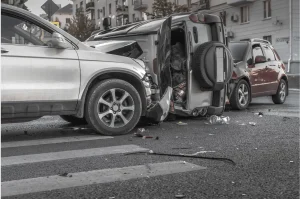


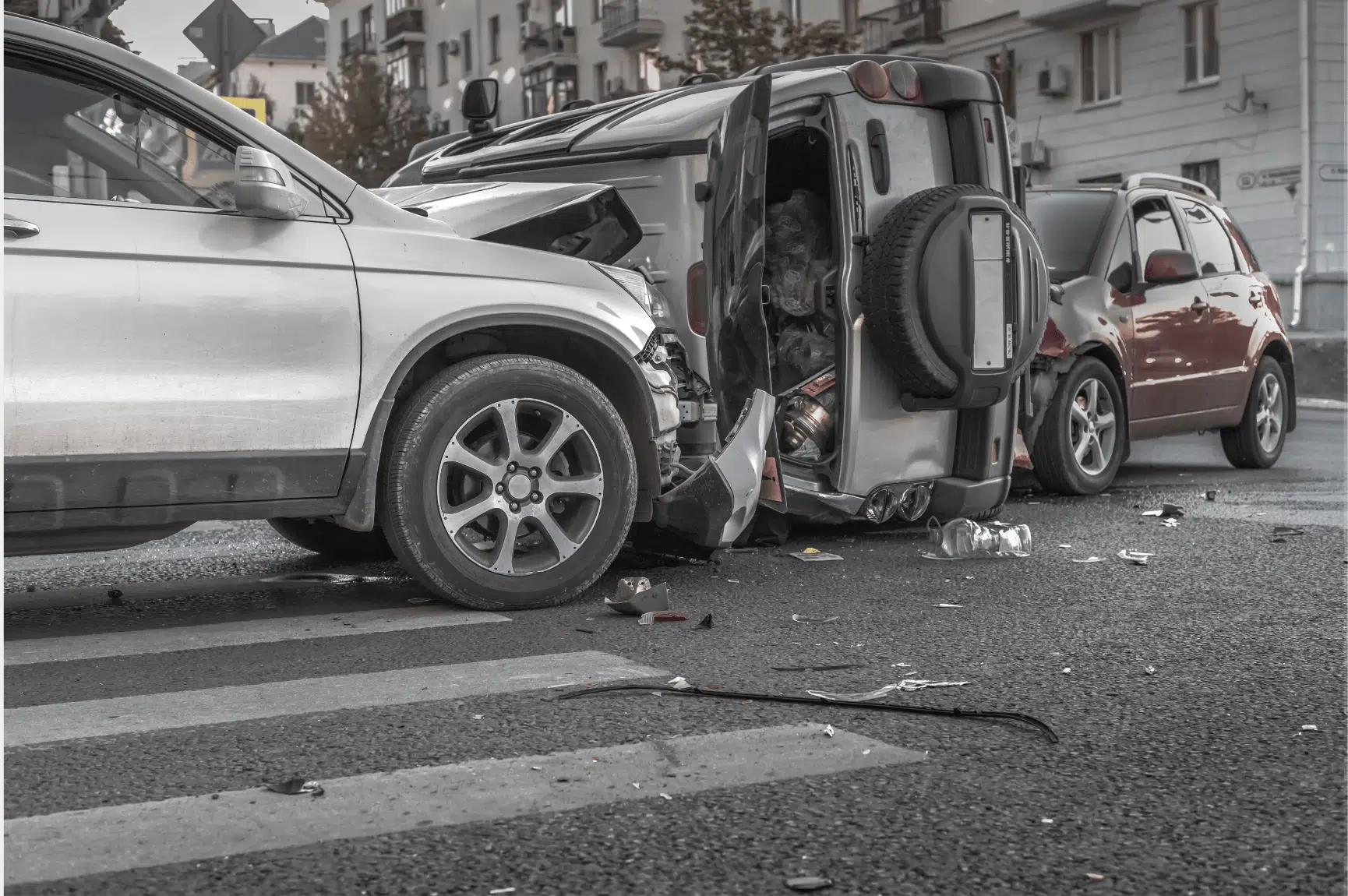
Yes, multiple people and companies can easily share the blame for a single car crash. Road accidents get complicated fast, especially when several cars hit each other or a commercial driver is involved. In California, state law uses a rule called comparative negligence to handle these situations. This system allows judges and insurance adjusters to split up the fault among everyone who made a mistake, giving each person a percentage of the blame. Even if your own driving contributed to the wreck, you can still get money back for your medical bills and car repairs.
Key Takeaways
- California uses comparative negligence rules to split fault percentages among all drivers involved in a crash.
- Your cash settlement drops based on how much blame gets assigned to your own driving mistakes.
- Employers, car makers and local road departments can share legal blame alongside other drivers.
- Hiring a skilled car accident lawyer San Jose keeps big insurance companies from dumping all the blame onto you.
How Comparative Fault Splits Responsibility in California
Most car crashes are not completely one sided. Real traffic moves fast and several small mistakes often happen at the exact same moment right before two vehicles collide. Under comparative negligence laws, insurance companies look at every detail to figure out who messed up and by how much. Here is a breakdown of how that works when real people get into accidents on local streets.
1. Speeding Through an Intersection While Another Driver Runs a Red Light
Picture yourself cruising down the road just a little bit faster than the posted speed limit. Out of nowhere, another car blows straight through a red light and hits the side of your vehicle in the middle of the intersection. The other driver clearly broke a major law by ignoring the signal. But the insurance company is going to look at your speed, too. They will argue that going fast made it harder for you to stop in time. So, a judge might decide the other driver is 80 percent at fault, while you get hit with 20 percent of the blame. That means if your total bill comes out to ten thousand dollars, you only get eight thousand back.
2. Multi Car Chain Reaction Crashes on Busy Freeways
Ever see a massive pileup on the freeway during rush hour? These chain reaction crashes happen in a split second and picking apart who caused what is a huge headache. Car A slams on the brakes for no obvious reason. Car B slams into the back of Car A because they were following way too closely. Then Car C smashes right into Car B because the driver was looking down at a text message. In a mess like this, both Car B and Car C messed up. Their insurance companies have to sit down, argue over the evidence and divide the total damages based on each driver’s mistake.
3. Rear End Crashes Involving Broken Brake Lights
Rear ending someone almost always gets you blamed for tailgating. It is the classic driving mistake. But picture this specific scenario instead. It is pitch black at night and the car right in front of you has two dead brake lights. They stomp on their brakes, but you see zero red warning lights pop up. You slam right into their bumper. Yes, you should have left more space. But they were driving a vehicle with broken safety equipment. Because both of you made mistakes that caused the impact, the insurance adjusters will split the overall fault right down the middle.
Other Parties Who Can Be Held Responsible
The person holding the steering wheel is not always the only party on the hook for a bad wreck. Outside entities miles away when the crash happened can still be forced to pay for your injuries and lost wages.
- Commercial Employers: When a delivery driver or trucker causes a wreck while working, the company that hired them can be held responsible under legal rules called vicarious liability. Companies carry much larger insurance policies than regular people, which matters when medical bills get huge.
- Vehicle and Parts Manufacturers: Sometimes you do everything right as a driver, but your car fails you anyway. If your brakes fail completely or an airbag explodes for no reason, the company that built those broken parts can be held responsible under product liability rules.
- Government Road Agencies: Local cities and state transit departments have a job to keep public streets safe. If a hidden stop sign gets covered by overgrown trees, or a massive pothole causes a driver to lose control, the local government agency can end up taking the blame for the wreck.
Key Steps to Protect Your Rights in Multi Party Claims
When multiple drivers and companies are involved in one accident, insurance adjusters move fast to save their company money by pointing fingers at everyone else. Protecting yourself requires taking a few basic steps right away.
1. Document Everything at the Crash Scene
If you can walk around safely after the crash, pull out your phone and snap pictures of everything. Take photos of damage on every car, street signs, skid marks and traffic lights. Get names and numbers of anyone who stopped, because neutral witnesses help prove who actually caused the mess.
2. Seek Immediate Medical Attention
Go see a doctor or head to urgent care right after leaving the scene, even if you feel fine. Adrenaline hides pain for hours and clear medical records connect your exact injuries to the crash. If you wait weeks to get checked out, insurance adjusters will claim your pain came from something else entirely.
Conclusion
Car accidents are rarely plain and simple, especially when high speeds, multi car pileups, or complex intersections get involved. Under California’s comparative negligence laws, several drivers, commercial employers, parts makers and local government departments can all end up sharing the legal blame for one single crash. Because every single percentage point of fault dumped on you directly reduces your final payout check, having a knowledgeable car accident lawyer San Jose on your side makes a huge difference. A local attorney looks over the evidence, talks to the adjusters and makes sure nobody gets away with shifting unfair blame onto you.
Read More: What If the Other Driver’s Insurance Company Delays Your Settlement