




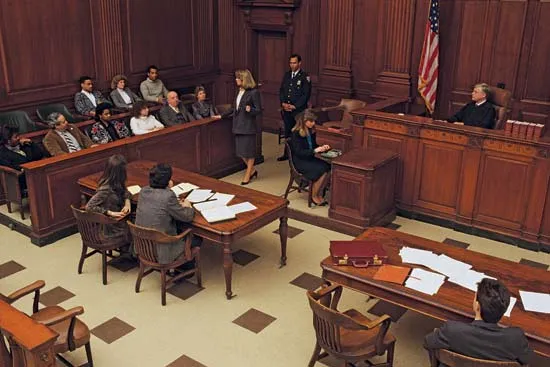
A jury summons can feel like a disruption before it feels like a civic role. You may worry about work, pay, child care, travel, or what happens if you make the wrong move. That is why Jury Duty Rights matter as much as the duty itself. In the United States, jury service is not a casual request from the court. It is part of the justice system’s promise that ordinary people, not only judges and lawyers, help decide facts in serious disputes. Reliable legal awareness also helps citizens sort real court duties from myths, which is why resources tied to public legal information and civic responsibility can help readers approach the process with less panic. Federal courts randomly select eligible citizens from local district communities, and summoned people usually must complete court instructions such as a juror qualification form before they know whether they must report.
Why Jury Service Is More Than a Courtroom Errand
Jury service asks you to step out of private life and into public judgment. That sounds grand until the summons lands beside unpaid bills, school pickup times, or a packed work schedule. The tension is real. The law expects participation, but the system also recognizes that citizens need basic protections to serve without being punished for answering the call.
How ordinary citizens become part of the justice system
Courts do not pick jurors because they know legal doctrine. They pick citizens because a trial needs community judgment. In a criminal case, jurors may decide whether the government proved guilt. In a civil case, they may decide whether one party harmed another and what fair compensation looks like.
That is a heavy role for someone who may have started the morning making coffee in a hurry. Still, that is the point. A jury brings lived common sense into a room filled with formal rules. The judge controls the law, but jurors bring careful listening, fair attention, and honest decision-making.
A useful way to think about jury service is this: the court does not ask you to become a lawyer for a week. It asks you to be a serious citizen for the length of the case. That difference matters because many people fear they are unqualified when the system is built around non-lawyers doing the fact-finding.
Why ignoring a summons creates needless trouble
A jury summons is not junk mail. Courts can require a response, and ignoring the notice may lead to penalties, follow-up orders, or a demand that you appear and explain yourself. The exact process depends on the court, but silence is the worst option.
Many people make trouble for themselves because they assume one missed summons disappears into a pile. It often does not. Court clerks deal with late forms, address mistakes, and genuine hardship requests every day. They can usually explain the correct next step, but they cannot fix a problem you hide from.
The counterintuitive part is that asking for help early often protects you better than trying to look perfect. If you moved, lost the notice, have a medical issue, or cannot report on the date listed, contacting the court beats guessing. Courts may deny a request, but they tend to respond better to honesty than avoidance.
Jury Duty Rights That Protect Your Job, Time, and Fair Treatment
The biggest fear is not the courtroom. It is the boss, the paycheck, and the feeling that your life will be punished for doing what the law asks. Jury Duty Rights exist because civic duty would be hollow if citizens could lose their jobs for showing up.
What employers can and cannot do when you are summoned
Federal law protects permanent employees from being discharged, threatened, intimidated, or coerced because of federal jury service or scheduled attendance for that service. Some federal court materials also explain that employers who interfere with federal jury service can face damages and civil penalties.
That protection does not mean every employer must pay full wages during every jury absence. Pay rules vary by employer policy and state law. Federal jurors receive an attendance fee, and some courts encourage employers to cover the gap between regular pay and juror pay when possible.
The practical move is simple: notify your employer as soon as you receive the summons, share the official document, and keep records. Do not rely on a hallway conversation. Email your supervisor or HR, attach the summons, and save the response. Paper trails feel boring until you need one.
Why your time matters even when the court has authority
Courts have authority, but they are not blind to hardship. Many courts allow citizens to request postponement, excuse, or special review when service would cause serious hardship. Federal court information explains that hardship requests must be reviewed and approved, and a request by itself may not remove the duty unless the court grants it.
That distinction saves people from a common mistake. Asking is not the same as being excused. Until the court confirms approval, you should assume the summons still matters. A voicemail, online form, or mailed request may start the process, but the court’s answer controls the next step.
A single parent in Ohio, a night-shift nurse in Arizona, and a small business owner in Georgia may all have real scheduling pain. The court may handle each situation differently. The stronger request explains the hardship clearly, includes support where available, and avoids drama. Specific facts beat emotional pleading.
Legal Obligations Citizens Must Take Seriously
The right to be protected does not erase the duty to cooperate. Jury service works only when citizens answer honestly, follow instructions, and treat the process as more than an inconvenience. The system can survive a busy citizen. It cannot survive citizens who lie, dodge, or decide the rules do not apply to them.
Responding honestly to qualification questions
Juror qualification forms are not casual surveys. Courts use them to decide whether you meet basic legal requirements and whether you may be called for selection. Federal court guidance says jurors are drawn from a “jury wheel,” and the qualification process helps courts decide who is eligible and needed for trial schedules.
Honesty matters even when the answer feels embarrassing. If you are not a citizen, no longer live in the district, have a disqualifying conviction, have a medical limitation, or cannot understand English well enough for service, the court needs the truth. Guessing your way through the form can create larger trouble later.
Some citizens try to sound biased on purpose because they want to be dismissed. That is a bad game. Courts and lawyers hear excuses all the time, and false statements can damage your credibility fast. A better path is plain truth: answer what is asked, explain what needs explaining, and let the court decide.
Following court instructions during selection and trial
Reporting for jury duty does not always mean sitting through a trial. You may wait, answer questions, be dismissed, or be selected. That uncertainty irritates people, but it exists because trials settle, plea agreements happen, and court schedules move around.
Once you are part of selection or trial, instructions matter. Courts may tell you not to discuss the case, not to research parties online, not to post about service, and not to form conclusions before hearing all evidence. Those limits can feel strict in a phone-driven world. They are there because one outside search can poison a fair trial.
A juror who checks social media for a defendant’s name may think they are being responsible. They are not. They are bringing untested information into a process built around evidence both sides can challenge. Fairness can fail in small private moments, not only in dramatic courtroom scenes.
How to Handle Jury Duty Without Losing Control of Your Life
The best jurors are not people with empty calendars. They are people who take the notice seriously, protect their own responsibilities, and communicate before small problems turn into court problems. You do not need to love jury duty to handle it well.
Planning work, family, and money around service
Start with the summons date, then work outward. Tell your employer, check your court’s reporting instructions, arrange transportation, and look for rules about phones, parking, food, dress, and security. Small details can make the first day less stressful.
Parents and caregivers should plan for delays. Court often involves waiting, and dismissal times can shift. If you care for a child, older parent, or disabled family member, do not assume you will be home at your usual hour. Build backup coverage before the reporting date if you can.
Money planning deserves the same respect. Juror pay may not match normal wages, and parking or transit can add cost. That does not mean you should ignore the summons. It means you should review employer policy, state rules, court instructions, and hardship options early enough to make informed choices.
Knowing when to ask for an excuse or postponement
A postponement is not a moral failure. Courts know people have surgeries, exams, military duties, caregiving needs, and unavoidable work conflicts. The strongest request asks for a practical adjustment, not a free pass from civic life.
Use the method listed on the summons. Some courts want an online form. Others want mailed proof or a call to jury administration. Follow that method closely because sending the right facts to the wrong place can waste the only time you had.
The overlooked insight is that respectful communication can protect both sides. The court keeps its authority. You keep your credibility. When citizens treat jury staff like enemies, they make the process harder than it needs to be. A calm request, backed by facts, often gets farther than anger ever will.
Jury service is one of the few places where the government asks ordinary people to slow down and judge carefully. That can be inconvenient, but it is not meaningless. Jury Duty Rights give citizens protection, and legal duties give the court the cooperation it needs to run fairly. The smartest approach is not fear or defiance. It is preparation. Read the summons, answer honestly, protect your job with written notice, ask for help when hardship is real, and show up when the court requires it. A justice system built on citizen judgment only works when citizens take their place seriously. Treat the summons like an obligation worth handling well, and you protect more than your own day.
Frequently Asked Questions
What should I do first after receiving a jury duty summons?
Read every instruction on the summons before making plans. Confirm the court name, date, reporting method, and deadline for any questionnaire. Notify your employer in writing, save a copy of the summons, and contact the court only through the official phone number or website listed.
Can my employer fire me for going to jury duty?
Federal law protects permanent employees from being fired, threatened, intimidated, or coerced because of federal jury service. State protections may also apply. Tell your employer promptly, provide documentation, and keep written proof of every work-related communication about your summons.
Do I have to get paid by my job during jury duty?
Payment depends on federal, state, and employer rules. Some employers pay regular wages, some do not, and some states set their own requirements. Courts may provide a juror attendance fee, but it may not equal your normal income.
Can I postpone jury duty if the date does not work?
Many courts allow postponement requests for valid scheduling conflicts, but approval is not automatic. Follow the court’s exact request process and submit facts early. Until the court confirms the change, assume the original summons still applies.
What happens if I ignore a jury duty summons?
Ignoring a summons can lead to court follow-up, penalties, or an order to appear and explain yourself. The exact result depends on the court. Responding late is usually better than staying silent, so contact the jury office if you missed a deadline.
Can I be excused from jury duty for hardship?
Courts may excuse people for serious hardship, medical limits, caregiving responsibilities, or other qualifying reasons. You usually need to submit a request and supporting details. A hardship request does not count as approval unless the court grants it.
Do I need legal knowledge to serve on a jury?
No legal background is required. Jurors listen to evidence, follow the judge’s instructions, and decide facts. The judge explains the law. Your job is to pay attention, remain fair, and avoid outside research or private discussions about the case.
Can I post about jury duty on social media?
You should not post details about a case, parties, evidence, lawyers, or deliberations. Courts often instruct jurors to avoid discussion and outside research. Even a casual post can create problems if it risks fairness or exposes information that should stay inside the courtroom.