




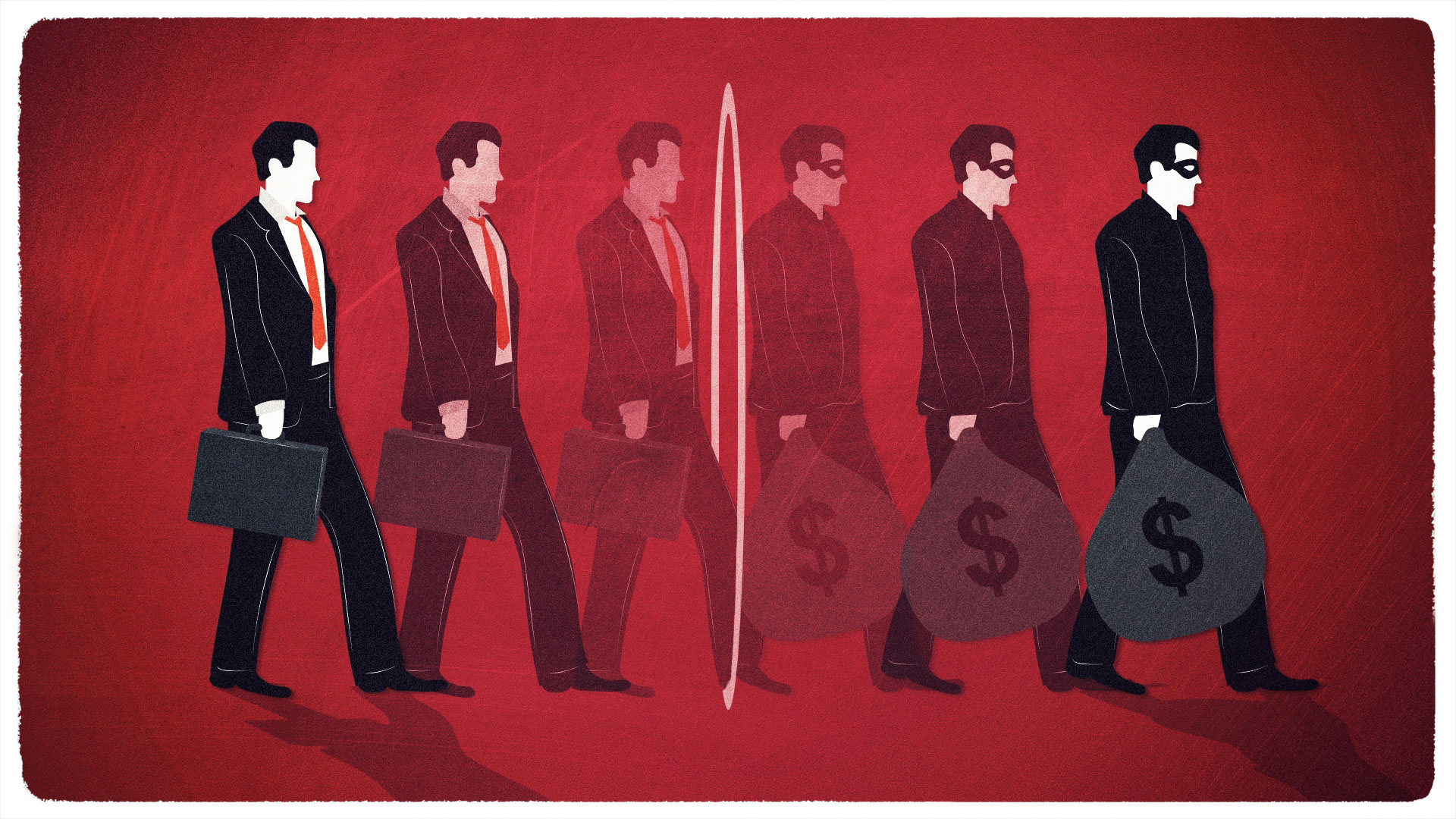
A tax problem can start quietly, but it rarely stays quiet once intent enters the picture. For many Americans, tax evasion penalties sound like a bill, a fine, or a bad letter from the IRS, yet the damage can move into places money cannot repair: reputation, licenses, family stress, credit, business survival, and personal freedom. The difference between a mistake and evasion is usually willfulness, and that word carries serious weight in federal tax cases. A taxpayer who hides income, creates fake deductions, keeps two sets of books, or lies during an audit is no longer dealing with routine compliance. They are inviting scrutiny from a system built to follow paper trails for years. Good public-facing resources on legal and business risk, including trusted compliance insights, matter because small choices can become permanent records. The hardest part is not always paying what is owed. It is living with what the case changes after the money is gone.
When a Tax Problem Becomes a Criminal Risk
Most tax issues begin as paperwork problems, but intent changes the temperature fast. A late return, missing form, or honest math error can often be corrected. A planned act to hide income or mislead the government sits in a different category, and that is where ordinary taxpayers get shocked by how aggressive the process can become.
Why Willfulness Matters More Than the Dollar Amount
Federal tax cases do not turn only on how much money was unpaid. The key question is often whether the taxpayer knowingly tried to defeat a legal tax duty. That may include underreporting cash income, claiming fake business expenses, moving money through another person’s account, or giving false records to a preparer.
The IRS Criminal Investigation division focuses on conduct that looks intentional, not sloppy. That is why a small business owner who pockets cash and keeps no matching records can face a harsher path than someone who made a larger but honest reporting mistake. The paperwork tells a story, even when the taxpayer does not.
What an IRS Criminal Investigation Can Do to Daily Life
An IRS criminal investigation is not a normal audit with extra tension. Agents may interview banks, vendors, employees, clients, and business partners. They may compare deposits, invoices, tax returns, payroll records, and digital communication. Once that process begins, the taxpayer’s private financial life becomes evidence.
The pressure spreads quickly. A contractor in Texas, a restaurant owner in New Jersey, or a freelance consultant in California may still need to work while records are being pulled apart. Clients get nervous. Employees whisper. Banks ask questions. The case may not be public yet, but the damage often starts before any courtroom date appears.
Tax Evasion Penalties Can Include Prison, Restitution, and Civil Fallout
The public often hears “penalty” and thinks the matter ends with payment. That is the wrong mental model. Under federal law, tax evasion can carry prison exposure, fines, prosecution costs, and payment of the unpaid tax. IRS materials describe tax evasion under 26 U.S.C. § 7201 as a felony with fines that can reach $250,000 for individuals and $500,000 for corporations, along with possible imprisonment.
How Prison Time Changes the Stakes
Tax fraud prison time is not reserved only for celebrities or giant corporations. Ordinary business owners, tax preparers, investors, and high-income professionals can face custody when the facts show a deliberate scheme. The U.S. Sentencing Commission has reported that many federal tax fraud offenders receive prison sentences, which shows how often these cases move beyond fines.
The hidden cost is what prison does to everything around the taxpayer. A parent may lose daily contact with children. A professional may lose clients forever. A business owner may come home to a closed company, unpaid vendors, and a name that now appears in search results for all the wrong reasons.
Why Restitution Is Not the Same as Moving On
Unpaid taxes restitution can follow a person long after sentencing. Restitution is not a symbolic number. It is a repayment obligation tied to the tax loss, and it may sit beside interest, penalties, and collection action. That means the taxpayer can face punishment and still owe the government afterward.
A counterintuitive point matters here: paying later does not erase the original conduct. A person who gets caught, writes a large check, and apologizes may still face criminal consequences if the government can prove intentional evasion. Payment helps, but it does not rewind the choice that created the case.
Civil Penalties Can Keep Growing After the Criminal Case
The civil side of tax enforcement can feel quieter than the criminal side, but quiet does not mean harmless. The IRS can still assess tax, penalties, and interest. In some cases, civil consequences continue even after the criminal matter ends, which surprises people who assumed one case would settle everything.
The Civil Tax Fraud Penalty Can Be Brutal
The civil tax fraud penalty is one of the hardest financial blows in tax enforcement. IRS guidance explains that civil sanctions can include additions to tax, and fraud-related consequences can remain separate from criminal proceedings. A criminal conviction for income tax evasion can also affect later civil fraud issues.
That structure matters for real households. A married couple in Ohio might survive the first tax bill by selling savings or refinancing a home. Then interest and civil additions continue pressing on the family budget. What looked like one bad year can become a decade of collection stress.
Why an Acquittal May Not End the Tax Fight
A taxpayer can win or avoid a criminal conviction and still face civil tax assessments. Criminal cases require proof beyond a reasonable doubt, while civil tax matters use different standards. That gap gives the government room to keep pursuing money even when the criminal track weakens.
This is where people misread the system. They think “not guilty” means “nothing owed.” Not always. But often enough, the IRS may still argue that income was underreported, deductions were false, or records failed to support the return. The courtroom result and the tax account balance can tell different stories.
The Personal Damage Often Outlasts the Government Case
Money can be counted. Reputation is harder. Once tax evasion enters public records, professional circles, licensing boards, lenders, and business partners may react in ways no settlement agreement can fully control. That is why the nonfinancial damage often feels more permanent than the amount owed.
Professional Licenses and Careers Can Take a Hit
Doctors, lawyers, accountants, real estate brokers, insurance agents, financial advisers, and government contractors may face licensing or credential problems after a tax crime. Even when a board does not automatically revoke a license, it may investigate honesty, trustworthiness, or fitness to practice.
An IRS criminal investigation can also become a business risk before any final judgment. A CPA accused of hiding income may lose clients who worry about judgment. A contractor bidding on public work may lose credibility with agencies. A landlord seeking financing may face deeper underwriting questions.
Family Trust and Community Standing Can Fracture
The most painful fallout often happens at home. A spouse may learn about hidden accounts, secret cash, or years of false returns during the case. Adult children may see a parent’s name in local news. Friends may not know what to say, so they say nothing.
Tax fraud prison time also carries a social sentence. People remember the headline, not the full legal record. Even after release, the taxpayer may face awkward job interviews, strained family events, and a permanent need to explain what happened. Some damage can heal, but it rarely disappears on command.
The Business Consequences Can Be Worse Than the Tax Bill
For business owners, tax evasion does not stay inside the tax department. It can damage payroll, lending, vendor trust, insurance, sale value, and customer confidence. A company built over ten years can lose its footing in a few weeks if the owner’s financial honesty becomes the central question.
Lenders and Investors Care About Tax Honesty
Banks rely on tax returns to measure income, cash flow, and repayment strength. If those returns become unreliable, the lender has a problem. A business owner who understated income to lower taxes may later struggle to prove income when applying for a mortgage, line of credit, or acquisition loan.
The irony is sharp. Some owners hide revenue to save money, then need that same revenue history to grow. A restaurant owner who kept cash sales off the books may save tax in year one, but lose financing in year three because the official numbers make the business look weaker than it is.
Sale Value Can Collapse When Records Cannot Be Trusted
A buyer wants clean books. When tax records do not match deposits, payroll, inventory, or sales reports, the buyer sees risk instead of opportunity. The deal may shrink, stall, or die. No serious buyer wants to inherit a company wrapped in tax uncertainty.
The civil tax fraud penalty can also reduce the owner’s negotiating power. If the IRS has active claims or liens, buyers may demand discounts, escrow funds, indemnity terms, or a walk-away right. The business may still make money, but dirty records can make that money hard to sell.
How Tax Evasion Damages Financial Freedom for Years
A tax case can reshape financial life long after the first bill arrives. The government has collection tools, and lenders do not ignore federal tax problems. Once liens, restitution, or unpaid balances enter the picture, ordinary goals become harder: buying a house, starting over, saving for retirement, or helping a child through college.
Tax Debt Can Follow Major Life Decisions
Federal tax debt can affect credit decisions, loan approvals, asset sales, and business plans. Even when a taxpayer enters a payment arrangement, the obligation may limit cash flow for years. That pressure changes how families live, spend, and plan.
Unpaid taxes restitution can make the future feel smaller. A person may leave prison or finish probation with the hope of rebuilding, only to face years of payment demands. The case ends in one sense, but the financial restriction continues in everyday choices.
Retirement and Home Equity May Become Targets
Tax collection can reach assets people thought were protected by time or emotion. Savings, investment accounts, business receivables, and home equity may all become part of the repayment conversation. The IRS does not view a taxpayer’s sentimental attachment as a reason to ignore lawful collection.
A homeowner in Florida who expected to retire comfortably may instead use retirement funds to resolve old tax liabilities. That move can trigger new tax issues, reduce future security, and create pressure inside the family. One false return can end up touching money that took thirty years to build.
Legal Avoidance Is Different From Illegal Evasion
Americans have every right to reduce taxes through lawful planning. Taking deductions, claiming credits, contributing to retirement accounts, using proper business expenses, and organizing records well are normal parts of tax life. The line is crossed when the taxpayer lies, conceals, fabricates, or manipulates facts.
Smart Planning Leaves a Paper Trail
Legal tax planning can survive questions because it has support. Receipts match deductions. Business expenses connect to business activity. Income reports match bank records and third-party forms. A clean paper trail does not make someone audit-proof, but it gives the return a backbone.
This is where good professionals earn their fee. A careful tax preparer may say no to a deduction the client wants. That can feel annoying in the moment. Later, it may be the sentence that kept the client out of a criminal file.
Bad Advice Is Not Always a Shield
Some taxpayers blame a preparer, bookkeeper, partner, or online tax tip when the IRS asks hard questions. That defense may help in limited cases, especially where the taxpayer gave complete information and relied in good faith. But it falls apart when the taxpayer hid facts from the adviser.
A business owner cannot hand a preparer partial records, approve a false return, and then act shocked when the return becomes evidence. The taxpayer signs the return. That signature matters. It says the person stands behind what was filed.
Prevention Is Cheaper Than Repair
The best time to deal with tax risk is before the IRS has built a file. That does not mean panic over every mistake. It means treating tax records as part of personal protection, not as an afterthought handled once a year under stress.
Fixing Mistakes Early Can Change the Outcome
A taxpayer who discovers an error should act quickly. Amended returns, corrected payroll filings, updated books, and professional guidance can reduce risk before the matter becomes adversarial. Delay makes innocent mistakes look worse because silence often reads like strategy.
The IRS cares about conduct after discovery. A person who corrects a mistake before being contacted stands in a different position than someone who waits until records are subpoenaed. Timing does not solve everything, but it can shape how the facts are understood.
Getting Professional Help Is a Control Move, Not a Panic Move
Tax attorneys, enrolled agents, and CPAs play different roles, and the right choice depends on the risk level. When criminal exposure is possible, legal counsel matters because privilege and strategy become central. When the issue is mainly accounting cleanup, a qualified tax professional may be the better first step.
The smartest taxpayers do not wait until fear makes every decision feel urgent. They gather records, stop guessing, and get a clear read on the problem. Tax evasion penalties are harsh because the government treats honesty in the tax system as a public trust, not a private preference. If your records have crossed from messy into misleading, get qualified help before someone else defines the story for you.
Frequently Asked Questions
What are the most serious consequences of tax evasion in the United States?
Prison exposure, criminal fines, restitution, civil penalties, interest, professional damage, and public reputation loss can all follow a federal tax evasion case. The financial bill may be large, but the long-term personal and career fallout often hurts more.
Can someone go to jail for hiding cash income from the IRS?
Yes. Hiding cash income can support a criminal case when the facts show willful intent. The risk grows when someone keeps false records, lies during an audit, uses secret accounts, or repeatedly leaves income off filed returns.
Is tax evasion different from making a tax return mistake?
Yes. A mistake usually involves negligence, confusion, or missing information. Evasion involves intentional conduct meant to avoid tax. The difference matters because honest errors can often be corrected, while willful concealment can trigger criminal enforcement.
How does a civil tax fraud penalty affect taxpayers?
It can add a large extra amount to the unpaid tax, and interest may continue growing. Civil penalties can also remain an issue even when the criminal side is reduced, resolved, or never filed.
Can a business survive a tax evasion investigation?
Some businesses survive, but the damage can be severe. Lenders, vendors, employees, buyers, and customers may lose trust. If records are unreliable, financing and sale value can suffer even before the case reaches court.
Does paying back unpaid taxes stop criminal prosecution?
Payment may help, but it does not automatically stop prosecution. If the government believes the taxpayer acted willfully, repayment can reduce harm but may not erase the original conduct or prevent criminal charges.
What should someone do after discovering false tax filings?
They should stop filing questionable information, gather records, and speak with a qualified tax professional. When criminal exposure may exist, a tax attorney is often the safest first call because legal strategy and confidentiality matter.
Can tax evasion affect professional licenses?
Yes. Licensing boards may review convictions or misconduct involving dishonesty. Lawyers, accountants, brokers, financial advisers, healthcare professionals, and contractors can face discipline, disclosure duties, or loss of trust tied to a tax case.